In summary:
- The “Tea and Toast Syndrome” is a serious form of malnutrition that requires a systemic, not just a delivery-based, solution.
- Establish a “remote food management system” using low-tech-friendly services and regular, structured check-ins.
- Solve the “last mile problem” by choosing relational support (personal shoppers) over transactional apps to ensure groceries are put away correctly.
- Implement weekly fridge audits and a “First-In, First-Out” (FIFO) system to prevent food waste and reduce health risks from expired food.
- Focus the shopping list on nutrient-dense, easy-to-prepare foods, especially leucine-rich proteins, to combat age-related muscle loss.
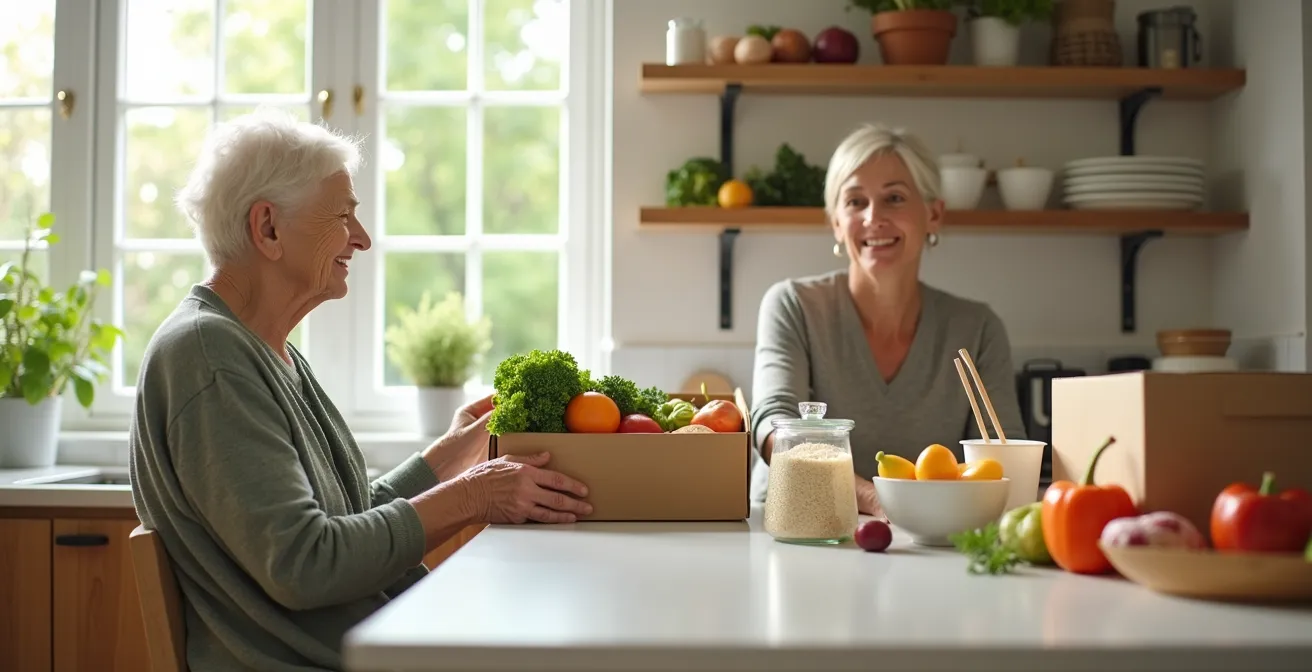
The worry is familiar to many long-distance children: you call your elderly parent, and when you ask what they had for dinner, the answer is a vague “oh, a bit of toast and a cup of tea.” While it seems harmless, this pattern, known as “Tea and Toast Syndrome,” is a gateway to serious nutritional deficiencies, muscle loss, and a rapid decline in health. You’ve likely considered the obvious solutions—setting up a grocery delivery app or sending a meal kit box. But these often fail to solve the core issue.
The problem isn’t just getting food to the front door; it’s what happens after. Who puts the milk in the fridge? Who throws out the expired yogurt? Who has the energy and dexterity to chop the fresh vegetables you ordered? Standard delivery services solve a logistical problem, but they don’t address the human and environmental factors that truly impact a senior’s nutrition. This creates a dangerous gap between food availability and actual consumption.
But what if the solution wasn’t just to order more food, but to build a comprehensive ‘remote food management system’? This guide shifts the focus from simple procurement to a holistic strategy. We will explore how to manage the entire food lifecycle for your parent—from smart ordering and low-tech solutions to essential fridge audits and kitchen adaptations. By implementing these systems, you can move from a state of anxious uncertainty to one of confident oversight, ensuring your parent is not just fed, but truly nourished, no matter the distance.
This article provides a structured approach to building that system. From understanding the underlying risks to implementing practical tools and strategies, each section offers a piece of the puzzle to help you ensure your parent’s nutritional well-being from afar.
Summary: A practical framework for remote nutritional support
- Why ‘Tea and Toast’ Syndrome Leads to Rapid Decline?
- How to Set Up Online Grocery Delivery for a Non-Tech Senior?
- Delivery Apps vs. Personal Shoppers: Who Will Put the Milk in the Fridge?
- The Expired Food Risk: Why Fridge Audits Are Essential
- When to Buy in Bulk vs. Single Portions to Reduce Waste?
- Where to Install Pull-Down Shelves for Maximum Independence?
- When to Increase Protein Intake to Support Muscle Rebuilding?
- Which Arthritis-Friendly Tools Actually Restore Independence in the Kitchen?
Why ‘Tea and Toast’ Syndrome Leads to Rapid Decline?
The “Tea and Toast Syndrome” is not a formal medical diagnosis but a nutritional term for a pattern of eating characterized by a preference for simple, easy-to-prepare, low-nutrient foods. It often begins subtly due to factors like fatigue, dental issues, loneliness, or a reduced sense of taste and smell. While a slice of toast seems benign, a diet dominated by it creates a cascade of nutritional deficits. The primary issue is a severe lack of protein, essential for maintaining muscle mass, supporting immune function, and repairing body tissues. This can accelerate sarcopenia, the age-related loss of muscle, leading to weakness, poor balance, and an increased risk of falls.
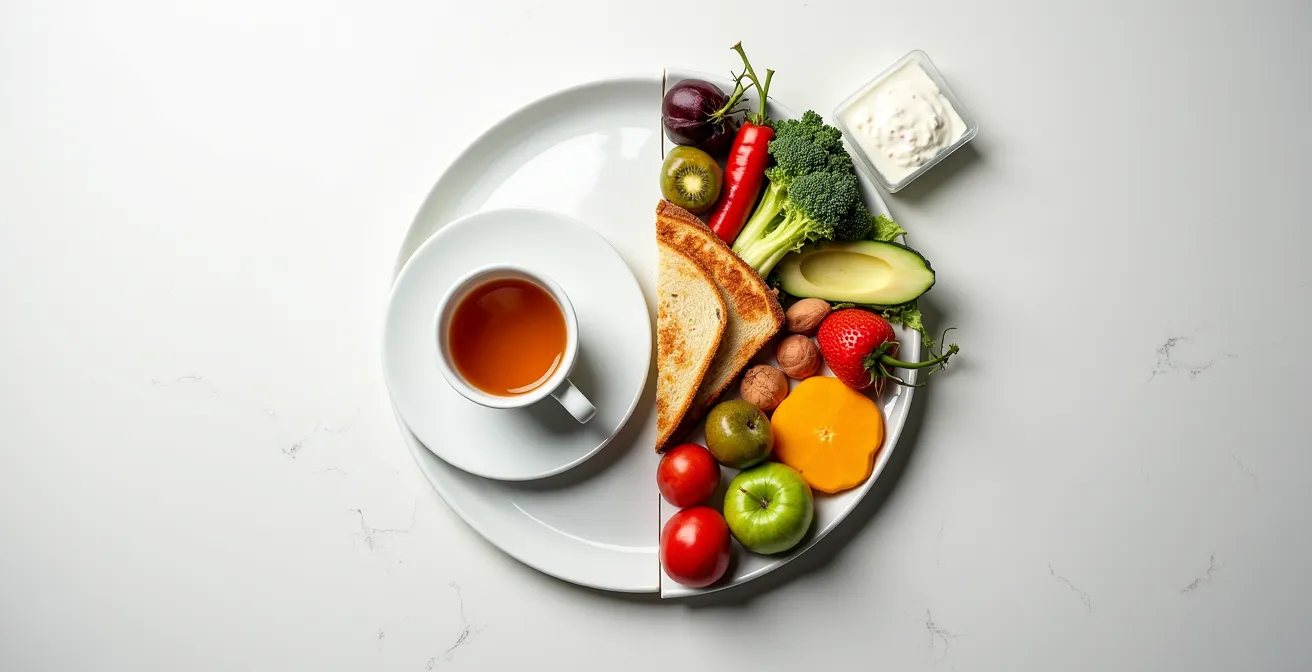
Furthermore, this syndrome is marked by a deficiency in vital micronutrients like iron, B vitamins, and calcium, which are crucial for energy and bone health. This isn’t a niche problem; research shows a significant portion of the senior population is at risk. For instance, in Canada, it’s been found that 34% of seniors are at nutrition risk. This state of undernutrition weakens the body’s defenses, making it harder to recover from illness and increasing vulnerability to infections. The simplicity of a tea-and-toast diet is deceptive; it is a direct pathway to frailty and a diminished quality of life.
Therefore, addressing this syndrome requires more than just providing food; it necessitates a strategic intervention focused on nutrient density and accessibility, which forms the foundation of a remote food management system.
How to Set Up Online Grocery Delivery for a Non-Tech Senior?
A primary hurdle for many families is the technology gap. Most grocery delivery platforms are designed for smartphone-savvy users, creating a significant barrier for seniors who are not comfortable with apps and websites. The key is to create a “digital twin” setup, where the long-distance child manages the technology while the parent maintains control over their food choices. This involves the caregiver creating and managing the online account, including payment methods, on behalf of their parent. The process should begin with a collaborative phone call to build the shopping list together, discussing preferences and potential substitutions if an item is unavailable.
Several services are now emerging to bridge this specific gap. Some innovative companies offer a concierge-style model where seniors don’t interact with an app at all. For example, the GoGoGrandparent service works through a simple phone call to a toll-free number. A trained operator takes the grocery list over the phone, places the order with a local store via services like Instacart or Walmart, and handles all coordination. The senior simply makes a phone call and receives a notification when the delivery is on its way. This model empowers the senior by giving them agency over their order without forcing them to navigate unfamiliar technology.
When setting up any system, consider these key steps:
- Account Management: You, the caregiver, create and control the online account login and payment details.
- List Creation: Develop the shopping list with your parent over the phone to ensure their preferences are met.
- Low-Tech Interface: Explore services that offer a phone or email-based ordering option, completely bypassing the need for your parent to use an app.
- Communication Protocol: Establish a clear system where your parent knows who to call (you or a service) to add items to the list, and they receive simple updates about delivery times.
This approach transforms grocery shopping from a technological challenge into a simple, empowering conversation, making consistent, healthy eating far more achievable.
Delivery Apps vs. Personal Shoppers: Who Will Put the Milk in the Fridge?
Once you’ve solved the ordering process, the next critical challenge arises: the “last mile problem.” This refers to the gap between the grocery bags being dropped on the doorstep and the food being safely stored in the pantry and refrigerator. This is where a crucial distinction emerges between two types of services: transactional and relational. Understanding this difference is key to building an effective remote food management system. Transactional services, like standard delivery apps (e.g., Instacart, Shipt), are designed for one thing: getting items from point A to point B. The driver’s job ends at the doorstep.
Relational services, typically provided by home care agencies or dedicated personal shoppers, go a step further. These individuals are hired not just to shop, but to provide assistance. They can enter the home, unpack the groceries, put cold items in the refrigerator, rotate stock, and even help with light meal prep. This personal touch is what solves the last mile problem. As noted by one care provider, “The biggest pro to hiring an in-home caregiver is the personal service they provide. A senior can rely on their care provider to purchase the items, brands, and sizes they prefer.” This consistency and familiarity build trust and provide you with peace of mind that the food is not just delivered, but managed.
To help you decide, here is a breakdown of the key differences:
| Service Type | Delivery Apps (Transactional) | Personal Shoppers/Home Care (Relational) |
|---|---|---|
| Delivery Location | Doorstep drop-off only | Can enter home, put groceries away |
| Cost | $5.99-$7.99 per delivery | ~$29/hour (California median) |
| Personal Touch | Anonymous driver | Same familiar face, builds rapport |
| Additional Services | None | Meal prep, light housework, companionship |
| Best For | Non-perishables, bulk items | Fresh produce, seniors with mobility issues |
While transactional services are excellent for stocking up on non-perishables, relational support is often essential for ensuring fresh, healthy food is properly handled, especially for a parent with mobility or energy limitations.
The Expired Food Risk: Why Fridge Audits Are Essential
An unmanaged refrigerator can quickly become a significant health hazard. For a senior living alone, especially one with mild cognitive decline or low energy, it’s easy for food to be pushed to the back and forgotten. This leads not only to waste but to the consumption of expired products, posing a serious risk of foodborne illness. Older adults are more vulnerable to such illnesses due to a naturally declining immune system, a condition exacerbated by poor nutrition. For example, compromised nutrition can contribute to conditions like hyponatremia, and it’s known that 8% of seniors suffer from hyponatremia, which can increase susceptibility to foodborne illnesses.
This is why regular fridge audits are a non-negotiable part of any remote food management system. A weekly audit doesn’t have to be intrusive. It can be a quick, 5-minute video call where your parent shows you the contents of their fridge. This allows you to spot expired items, identify what’s running low, and see what foods aren’t being eaten. The findings from this audit should directly inform the next shopping list, preventing the re-ordering of untouched items and reducing waste.
A key principle to teach and implement during these audits is the “First-In, First-Out” (FIFO) method, a simple stock rotation system used in all professional kitchens. New items go in the back, and older items are moved to the front to be used first. This visual cue makes it much easier for your parent to grab what needs to be eaten soonest.
Your Remote Fridge Audit & FIFO Plan
- Schedule a weekly 5-minute video call to look inside the fridge and pantry.
- During the call, check expiration dates, focusing on high-risk items like deli meats, dairy, and leftovers.
- Guide your parent to arrange food with new items in the back and older items in the front (FIFO).
- Use the visual audit to assess what’s being eaten and what’s not, and adjust the next shopping list accordingly.
- If possible, help monitor your parent’s weight at home, as it’s a key indicator of their overall nutritional status.
This proactive surveillance turns the refrigerator from a potential risk zone into a reliable source of safe, healthy nutrition, giving you tangible proof that your system is working.
When to Buy in Bulk vs. Single Portions to Reduce Waste?
A common mistake in grocery shopping for a senior is buying in large, “family-size” quantities. While cost-effective for a large household, this approach often leads to significant food waste when cooking for one. A key part of your remote food management system is to strategically decide between bulk purchasing and single-portion options. The goal is to balance cost savings with the very real risk of spoilage. Your decision-making framework should be based on the type of food and your parent’s ability to process or store it.
For non-perishable staples like rice, pasta, oats, or canned goods, buying in larger quantities when they are on sale makes sense. You can establish “par levels”—a minimum quantity that should always be in the pantry—and restock them with bulk purchases. However, for fresh items, the calculus changes. Fresh produce, dairy, and proteins have a short shelf life. Unless your parent has the energy and ability to portion and freeze these items immediately, it’s far wiser to purchase them in small or single-serving quantities. This might mean buying one or two chicken breasts instead of a large pack, or individual yogurt cups instead of a large tub.
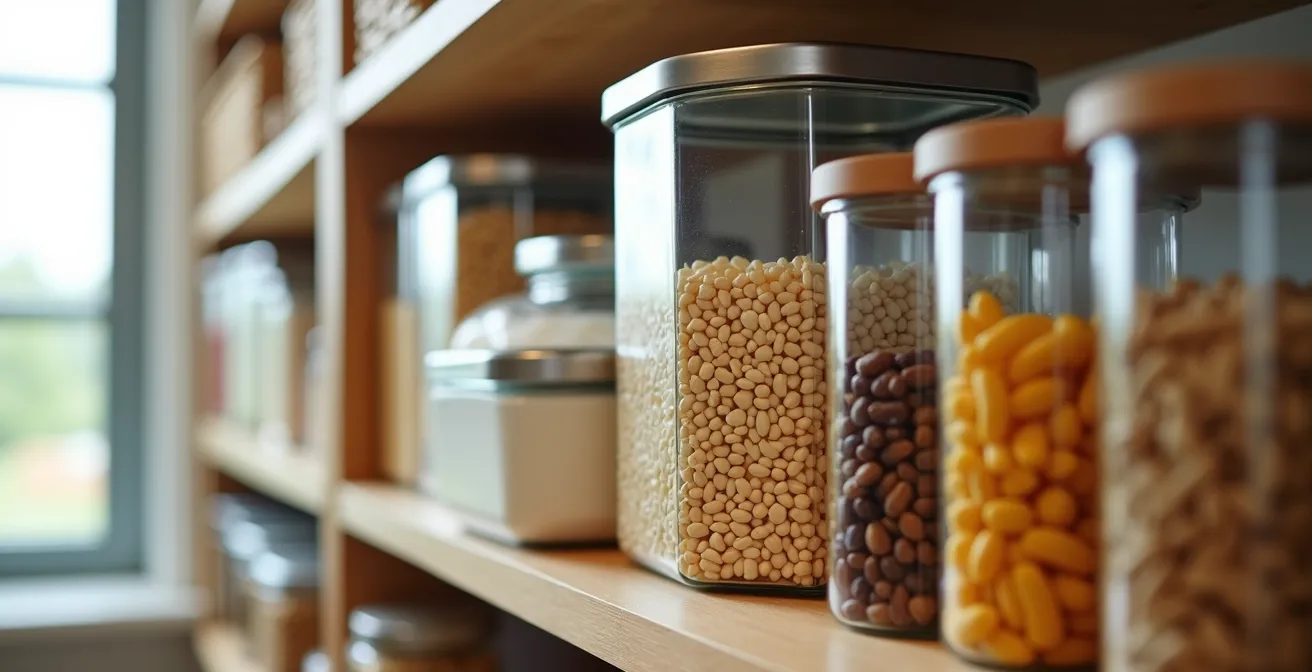
Here is a simple decision framework to follow when building the shopping list:
- For proteins (meat, fish): Can it be easily portioned and frozen upon arrival? If yes, a larger pack might be okay. If no, buy single portions.
- For produce (vegetables, fruits): Can it be used in a batch-cooked meal (like a soup or stew) right away? If not, buy only enough for 2-3 days.
- Consider Energy vs. Cost: Sometimes, a pre-cooked or pre-portioned meal costs more upfront but prevents the waste of an entire package of raw ingredients, making it cheaper in the long run.
By tailoring purchase sizes to actual consumption habits, you minimize waste, ensure freshness, and make the kitchen less overwhelming for your parent.
Where to Install Pull-Down Shelves for Maximum Independence?
Even with perfectly portioned groceries, the physical environment of the kitchen can be a major barrier to independent cooking. Reaching for items on high shelves or bending down for heavy pots can be difficult and dangerous for a senior with limited mobility, arthritis, or balance issues. An effective food management system must therefore consider kitchen ergonomics. One of the most impactful modifications is the installation of pull-down shelves in upper cabinets. These mechanisms bring the contents of the shelf down to counter height with a simple pull, eliminating the need for stretching or step-stools.
Case Study: Redesigning the Kitchen Work Triangle
The Lake Port Square senior living community redesigned its kitchens to better suit residents’ needs. They shifted focus from the traditional sink-stove-fridge triangle to a more practical prep counter-microwave-sink workflow, as seniors often use the microwave more than the stove. As part of this, they installed pull-down shelves directly above the main prep counters. These shelves were designated for frequently used, lightweight items like mugs, spices, and tea bags, making a daily cup of tea or seasoning a meal a safe and easy task.
The placement of these shelves is critical for their effectiveness. They shouldn’t be installed randomly. The prime location is in the upper cabinet directly above the primary food preparation area. This minimizes steps and twisting motions, keeping everything needed for a task within a comfortable “arc of movement.” The goal is to create an efficient and safe workspace where your parent can access daily essentials without strain. When planning an installation, always test the proposed height and pull-down motion with the user, especially if they use a wheelchair or kitchen stool, to ensure it is truly accessible from their seated position.
By making the kitchen environment work for your parent, you empower them to use the healthy food you’ve provided, bridging the final gap between groceries and a nutritious meal.
When to Increase Protein Intake to Support Muscle Rebuilding?
One of the most critical nutritional interventions for an older adult, especially one recovering from illness or exhibiting signs of frailty, is increasing their protein intake. As we age, our bodies become less efficient at processing protein to build and maintain muscle—a process called muscle protein synthesis. This makes seniors more susceptible to sarcopenia, the progressive loss of muscle mass and strength. A diet low in protein, as is common in the “Tea and Toast Syndrome,” dramatically accelerates this decline. Scientific evidence shows a direct link; a study published by the NCBI highlights that elderly patients often consume inadequate osmolar loads primarily due to poor protein intake, which hinders their body’s ability to maintain itself.
Therefore, a key goal of your remote shopping list should be to strategically incorporate easy-to-eat, protein-rich foods throughout the day. The focus should be on leucine, an amino acid that acts as a primary trigger for muscle protein synthesis. Rather than one large protein-heavy meal, which can be overwhelming, it’s more effective to spread protein intake across several smaller meals and snacks. This provides the body with a steady supply of the building blocks it needs.
Your shopping list should be built around convenience and nutrient density. Think of items that require little to no preparation but pack a protein punch:
- Greek Yogurt and Cottage Cheese: Excellent for a quick, high-protein snack or breakfast.
- Pre-cooked Chicken or Turkey Strips: Can be easily added to salads or eaten on their own.
- Hard-Boiled Eggs: Prepare a batch at the beginning of the week for an instant protein source.
- Protein-Fortified Drinks or Shakes: Useful for supplementing between meals, especially if appetite is low.
- Collagen Powder: Unflavored versions can be added to tea, coffee, or soup, providing around 9 grams of protein per scoop with no taste.
By making protein easy and appealing, you actively support your parent’s strength, mobility, and overall resilience.
Key takeaways
- A remote food management system is about managing the entire food lifecycle, not just delivery.
- Solve the “last mile problem” by using relational support (personal shoppers) who can unpack and store groceries.
- Implement weekly video fridge audits and a FIFO system to ensure food safety and reduce waste.
Which Arthritis-Friendly Tools Actually Restore Independence in the Kitchen?
For a senior with arthritis, carpal tunnel, or diminished grip strength, the simple act of opening a jar or chopping a vegetable can be a painful and frustrating barrier to preparing a meal. Providing adaptive kitchen tools is a final, crucial layer in your remote food management system. These devices are not gadgets; they are enablers of independence, allowing your parent to safely and comfortably use the fresh ingredients you’ve provided. The most effective tools are those designed to solve a specific pain point, such as gripping, cutting, or lifting.
For example, an automatic jar opener can be a game-changer, eliminating one of the most common kitchen struggles. A rocker knife, which uses a rocking motion instead of downward pressure, allows for chopping with minimal wrist strain. Even low-tech solutions can make a huge difference; wrapping rubber bands around glasses and mugs can dramatically improve grip. The goal is to identify your parent’s specific challenges and find a tool that directly addresses them. As expert Ellie Wilson, MS, RD, suggests, support should be holistic: “We need to provide them with counseling and resources on easy foods with a higher nutritional value such as bananas, cheese sticks or low-fat flavored yogurt.” This advice, combined with the right tools, creates a truly supportive environment.
This table, based on recommendations from a guide on senior nutrition and independence, organizes tools by the problem they solve:
| Pain Point | Recommended Tools | Low-Tech Alternative |
|---|---|---|
| Grip Strength | Automatic jar openers, ergonomic handles | Rubber bands on glasses for better grip |
| Cutting/Chopping | Rocker knives, food choppers | Kitchen shears instead of knives |
| Lifting Heavy Items | Lightweight cookware, tilt kettles | Slide pots across counter instead of lifting |
| Fine Motor Tasks | Long-handled button hooks, wide-grip utensils | Use palm instead of fingers when possible |
By thoughtfully equipping their kitchen, you remove the final obstacles between your parent and a healthy, home-prepared meal, truly restoring a sense of independence and dignity.