Personal services
Growing older or living with mobility challenges doesn’t mean sacrificing independence or quality of life. Personal services represent a diverse ecosystem of professional support designed to help seniors and individuals with limited mobility remain safely in their homes, maintain dignity, and continue engaging with life on their own terms. These services bridge the gap between complete independence and institutional care, offering targeted assistance exactly where it’s needed most.
From professional health assessments that customize care plans to technology-driven medication management, from adaptive tools that simplify daily tasks to compassionate companionship that fights isolation—personal services encompass a wide spectrum of solutions. Understanding this landscape empowers families and individuals to make informed decisions, build comprehensive support systems, and delay or avoid the need for nursing home placement. This article explores the essential categories of personal services, their practical applications, and how they work together to create a foundation for aging with confidence.
Professional Assessment and Diagnosis Services
The foundation of effective personal care begins with accurate professional assessment. Unlike generic care approaches, diagnosis-driven customization ensures that every intervention addresses the individual’s specific needs, limitations, and goals. Occupational therapists, physical therapists, and geriatric specialists conduct comprehensive evaluations that examine physical capabilities, cognitive function, home environment hazards, and daily living challenges.
The assessment scope typically includes mobility testing, fall risk evaluation, medication review, cognitive screening, and environmental safety audits. Think of this process as creating a detailed blueprint before building a house—every recommendation that follows stems from these initial findings. For instance, a therapist might identify that arthritis in the hands makes traditional clothing fasteners difficult, leading to specific dressing aid recommendations rather than generic assistance.
Executing the therapist’s plan requires careful coordination between the patient, family members, and service providers. The plan might include scheduled follow-ups every three to six months to track progress, adjust interventions as conditions change, and prevent misdiagnosis risks. A common pitfall occurs when initial symptoms are attributed to normal aging when they actually signal treatable conditions—professional assessment helps distinguish between the two, ensuring appropriate interventions rather than unnecessary assistance that could actually reduce independence.
Medication Management and Technology Support
Medication errors represent one of the most dangerous yet preventable risks for seniors living independently. Medication adherence technology has evolved dramatically, offering automated pill dispensers that organize multiple medications, provide audible reminders at scheduled times, and alert caregivers if doses are missed. These devices range from simple daily pill organizers to sophisticated systems that dispense exact doses and connect to smartphones.
Understanding adherence risks is crucial. Factors include:
- Complex medication schedules with multiple daily doses
- Cognitive decline affecting memory and sequencing
- Physical limitations making bottles difficult to open
- Vision impairment causing dose confusion
- Polypharmacy increasing the risk of dangerous interactions
Programming these devices requires careful attention to each medication’s specific timing, dosage, and any special instructions. Comparing device capacities helps match the system to individual needs—someone taking three medications twice daily requires far different features than someone managing twelve medications at varying intervals. Preventing misuse means establishing clear protocols, educating users thoroughly, and optimizing refill routines to ensure medications never run out unexpectedly. Many pharmacies now offer synchronized refills and delivery services that integrate seamlessly with home medication systems.
Daily Living Support and Adaptive Tools
Activities of Daily Living (ADLs)—dressing, bathing, eating, toileting, and mobility—form the core of independent living. When illness, injury, or age-related changes make these tasks challenging, adaptive tools and techniques can restore autonomy without requiring another person’s constant presence. The goal isn’t to do tasks for someone, but to provide the right tools that enable them to continue doing tasks themselves.
Joint Protection and Energy Conservation
Understanding joint protection principles prevents further damage while maintaining function. This involves using larger, stronger joints instead of smaller ones (pushing doors open with your forearm rather than fingers), avoiding positions that stress joints, and respecting pain signals. Energy conservation techniques help individuals accomplish more with less fatigue by prioritizing tasks, organizing workspaces efficiently, and alternating heavy and light activities throughout the day.
Dressing and Personal Care Aids
Mastering dressing aids transforms a frustrating struggle into an manageable task. Button hooks, zipper pulls, elastic shoelaces, sock aids, and long-handled shoehorns eliminate the need to bend, twist, or use fine motor skills that arthritis has compromised. A reacher tool allows someone to grab items from high shelves or pick up dropped objects without risky bending. These simple devices can mean the difference between getting dressed independently and needing assistance every morning.
Kitchen Adaptations and Safety
Comparing kitchen gadgets reveals specialized solutions for nearly every challenge: electric jar openers for arthritic hands, one-handed cutting boards with raised edges and suction feet, lightweight cookware with ergonomic handles, and automatic shut-off kettles. Preventing burn injuries requires special attention—pot stabilizers prevent tipping, long oven mitts protect arms, and marking hot surfaces clearly helps those with reduced sensation. Optimizing energy usage in meal preparation might mean using a microwave instead of a conventional oven, or preparing larger batches to freeze in single portions.
Rehabilitation and Physical Recovery Services
Recovery from stroke, surgery, fracture, or illness requires age-specific therapy protocols that acknowledge physiological differences between younger and older bodies. A 75-year-old recovering from hip replacement faces different healing timelines, bone density concerns, and concurrent health conditions than a 40-year-old with the same procedure.
Understanding physiological limits prevents overexertion while still challenging the body appropriately. Therapists calibrate exercises to individual capacity, gradually increasing difficulty as strength and endurance improve. Transitioning home from hospital or rehabilitation facility represents a critical juncture—many setbacks occur during this period when professional oversight decreases but challenges increase. Successful transitions involve home safety modifications, clear exercise protocols, emergency contact systems, and scheduled check-ins.
Comparing rehab settings helps families choose between inpatient rehabilitation facilities, outpatient therapy clinics, or home-based therapy. Each offers distinct advantages depending on the severity of impairment, insurance coverage, and available family support. Avoiding recurrence means identifying what caused the initial injury or illness and implementing preventive measures. Optimizing nutrition during recovery accelerates healing—adequate protein supports tissue repair, sufficient calcium and vitamin D strengthen bones, and proper hydration facilitates all bodily functions.
Coordinated Care Teams and Service Integration
Building a service ecosystem involves orchestrating multiple providers into a cohesive support system. This might include a weekly housekeeper, daily medication check-in, twice-weekly physical therapy, monthly podiatrist visits, and regular companionship services. When coordinated effectively, these services create a safety net that addresses medical, functional, social, and environmental needs simultaneously.
Understanding the social impact reveals why this coordination matters beyond mere convenience. Seniors with robust service ecosystems experience lower hospitalization rates, better medication compliance, fewer falls, reduced depression, and significantly delayed nursing home placement. The difference between isolated services and integrated care resembles the difference between individual musicians playing separately versus performing as an orchestra.
Coordinating the team requires someone—often a family member or professional care manager—to serve as the central point of communication. This coordinator schedules services to avoid conflicts, ensures all providers understand the care plan, communicates changes in condition, and monitors whether services are actually meeting needs. Comparing employment models helps determine whether to hire independent contractors, work through agencies, or employ staff directly. Each model offers different trade-offs in cost, reliability, legal responsibility, and flexibility.
Preventing staff turnover involves fair compensation, respectful treatment, clear expectations, and recognizing that quality caregivers are professionals deserving of appreciation. High turnover disrupts continuity, forces vulnerable individuals to repeatedly adjust to new helpers, and compromises care quality. Optimizing service levels means regularly reassessing whether current support is too much, too little, or just right as conditions evolve.
Personal Care and Hygiene Assistance
Maintaining hygiene and dignity becomes challenging when mobility limitations, cognitive decline, or physical weakness interfere with bathing, grooming, and toileting. Assisted personal care provides hands-on help with these intimate tasks while preserving maximum privacy and autonomy. Professional caregivers trained in dignified assistance understand techniques that minimize embarrassment and maximize the individual’s participation.
Understanding skin health becomes increasingly important with age—thinner, more fragile skin tears easily, heals slowly, and develops pressure sores quickly if hygiene lapses or someone remains in one position too long. Regular bathing, thorough drying (especially in skin folds), moisturizing, and checking for irritation prevents many serious complications. Establishing routine creates predictability that reduces anxiety around vulnerable moments—knowing that bathing happens every Tuesday and Friday morning with the same trusted caregiver makes the experience less stressful.
Comparing methods reveals options between bed baths, shower chairs, walk-in tubs, or full assistance bathing. The right approach depends on mobility level, cognitive status, bathroom layout, and personal preference. Avoiding accidents requires grab bars, non-slip mats, appropriate water temperature testing, and never rushing through tasks. Timing the task matters—some individuals function better in morning, others prefer evening routines, and scheduling should respect these preferences whenever possible while balancing caregiver availability.
Home Safety and Specialized Cleaning Services
Standard housekeeping differs significantly from specialized cleaning services designed for seniors and individuals with health vulnerabilities. These services understand that dust isn’t merely unsightly—it triggers respiratory problems. Clutter isn’t just messy—it creates dangerous tripping hazards. Mold and mildew aren’t cosmetic issues—they cause serious health complications for immune-compromised individuals.
Understanding health risks guides cleaning priorities. High-touch surfaces (door handles, light switches, remote controls) harbor bacteria and viruses. Bathroom mold exacerbates asthma and respiratory infections. Kitchen cross-contamination poses food poisoning risks to those with weakened immune systems. Floor hazards cause the falls that send thousands of seniors to emergency rooms annually.
Creating the checklist ensures nothing critical gets overlooked while avoiding arguments about scope. A clear written agreement specifying which rooms get cleaned, which tasks are included (dusting, vacuuming, mopping, bathroom sanitizing, kitchen cleaning), how often each occurs, and what falls outside the service scope prevents disputes. Comparing service scopes between providers reveals significant variation—some include window washing and refrigerator cleaning, others consider these add-on services requiring extra payment.
Timing the declutter represents a sensitive but necessary conversation. Excessive possessions create navigation hazards, attract pests, prevent proper cleaning, and can indicate hoarding behavior requiring professional intervention. Approaching this compassionately, perhaps during seasonal changes or after a health incident, increases cooperation while respecting emotional attachments to belongings.
Nutrition Management and Procurement Support
Ensuring proper nutrition and supply management addresses multiple challenges simultaneously: difficulty shopping due to mobility limitations, inability to prepare complex meals, cognitive decline causing forgotten grocery needs, and fixed incomes requiring careful budget management. Malnutrition among seniors living independently is shockingly common, often stemming not from poverty but from the simple inability to consistently procure and prepare nutritious food.
Understanding malnutrition requires recognizing subtle signs: unintended weight loss, increased weakness, slower wound healing, more frequent illness, and cognitive changes. These symptoms often get dismissed as inevitable aging when they actually signal inadequate nutrition that’s completely reversible with proper intervention.
Managing the process might involve:
- Creating weekly meal plans that account for dietary restrictions, preferences, and nutritional needs
- Generating shopping lists from these meal plans
- Either accompanying the person shopping, shopping independently and delivering items, or arranging grocery delivery services
- Meal preparation assistance—cooking complete meals, preparing ingredients for easy assembly, or heating pre-made meals
- Monitoring food safety—checking expiration dates, ensuring proper storage, preventing foodborne illness
Comparing providers includes grocery delivery services, meal kit companies with senior-friendly options, prepared meal delivery programs specifically designed for older adults, and personal shoppers or caregivers who handle procurement. Preventing food risks requires attention to proper food storage temperatures, avoiding cross-contamination, and recognizing when cognitive decline prevents safe food handling. Optimizing budgets involves strategic shopping—buying store brands, utilizing senior discounts, choosing seasonal produce, and reducing waste through proper portion planning and storage.
Companionship and Emotional Well-being Services
Addressing emotional isolation through paid companionship services acknowledges a profound truth: social connection isn’t a luxury, it’s a health necessity. Loneliness affects physical health as severely as smoking fifteen cigarettes daily, increasing risks of heart disease, stroke, dementia, and premature death. For seniors who have lost spouses, have limited family nearby, or experience mobility challenges that restrict social participation, professional companionship services provide essential human connection.
Understanding the depression link reveals how isolation and depression create a downward spiral—depression reduces motivation to socialize, increased isolation worsens depression, physical health declines, mobility decreases further, and social opportunities shrink even more. Professional companions interrupt this cycle by providing reliable, scheduled social interaction regardless of whether the individual feels motivated to seek it out.
Matching personalities makes the crucial difference between a companion who feels like hired help and one who becomes a genuine friend. Initial meetings help assess compatibility—shared interests, communication styles, energy levels, and values. Someone who loves gardening pairs beautifully with a companion knowledgeable about plants; an intellectual might thrive with a companion who enjoys discussing books and current events.
Comparing support types distinguishes between companions who primarily provide conversation and light activities, those who facilitate community participation (attending religious services, going to museums, visiting libraries), and therapeutic companions trained in specific interventions for dementia, depression, or anxiety. Avoiding dependency means maintaining multiple social connections rather than relying exclusively on paid companionship—volunteers, family visits, community programs, and neighbors each play important roles. Timing visits strategically addresses the loneliest periods—perhaps weekends when family members work, evenings when darkness and isolation feel most acute, or specific days when regular social activities are no longer accessible.
Personal services represent far more than convenience—they form the infrastructure that enables seniors and individuals with limited mobility to maintain independence, dignity, and quality of life in their own homes. By understanding the comprehensive range of available services, families can assemble customized support systems that address specific needs without providing unnecessary assistance that might actually reduce autonomy. The goal remains constant: empower individuals to live as fully and independently as possible, for as long as possible, surrounded by the right support at the right time.

Paid Companionship: Can Renting a Friend Genuinely Alleviate Senior Loneliness?
Paid companionship is not about ‘renting a friend,’ but about providing crucial ’emotional scaffolding’ that can dramatically improve a senior’s mental and physical health. Professional companions offer contractual reliability and trained emotional boundary-setting that volunteer efforts often lack. The success…
Read more
Beyond Delivery: A Guide to Ensuring Your Parent Eats Healthy When You Can’t Be There
In summary: The “Tea and Toast Syndrome” is a serious form of malnutrition that requires a systemic, not just a delivery-based, solution. Establish a “remote food management system” using low-tech-friendly services and regular, structured check-ins. Solve the “last mile problem”…
Read more
Beyond the Clutter: Is Heavy Cleaning or Daily Tidying the Key to Preventing Hoarding Behavior in Seniors?
The most effective way to address potential hoarding behavior in a senior is not hiring a standard maid, but implementing a specialized cleaning strategy that prioritizes their safety and autonomy above all else. Deep cleaning addresses immediate biohazards and safety…
Read more
How to Introduce Grooming Assistance to a Parent Who Is Ashamed of Their Body?
Confronting a parent’s refusal to bathe isn’t about winning an argument over hygiene; it’s about restoring their lost sense of dignity. Shifting the conversation from personal failings to objective science (like skin pH) removes shame and builds trust. Transforming the…
Read more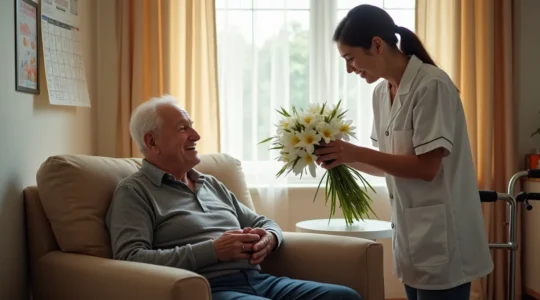
How to Build a Home Care Plan That Preserves Independence for Widowers
Rebuilding independence after loss isn’t about hiring individual helpers; it’s about architecting a managed ‘Household Operating System’ that supports autonomy and well-being. Treat home services as a professional team with clear communication systems and defined roles to eliminate chaos. Utilize…
Read more
Hip Fracture at 80: A Realistic Guide to Geriatric Rehabilitation and Recovery
A hip fracture after 80 is not just a broken bone; it’s a systemic shock that requires a multi-faceted approach focusing on muscle preservation, psychological resilience, and a safe environment. Recovery is longer for seniors due to diminished physiological reserves…
Read more
Which Adaptive Tools Help Arthritis Sufferers Perform Daily Tasks Pain-Free?
True independence with arthritis isn’t about the tools you buy, but how you use them to reclaim daily activities. Prioritize leverage over grip strength to protect small, painful joints from strain during tasks. Perform a task analysis to identify the…
Read more
Automated Pill Dispensers: Subscription vs. Purchase for Senior Safety
The choice between a subscription or a one-time purchase for a pill dispenser is not a financial one, but a clinical risk assessment of the patient’s needs. Subscription models with monitoring services excel at managing complex medication schedules and reduce…
Read more
Why an Occupational Therapy Assessment Is Crucial Before Any Renovation?
An occupational therapy assessment is not an optional expense; it is clinical insurance against unsafe, mismatched, and ultimately more costly home renovations. It moves beyond generic safety checklists to perform a clinical diagnosis of the unique person-environment interaction. It is…
Read more